
Vinyl vs Fiber Cement vs Wood Siding — Which One Can Actually Survive Cincinnati, Ohio Winters?
Your home’s siding does more than make it look good. It’s the outer shell that stands between your walls, insulation, and structure — and everything Ohio’s weather throws at it. And in Cincinnati, Ohio, that weather can be genuinely brutal: ice storms, freeze-thaw cycles, heavy spring rain, humid summers, and the occasional hailstorm that comes out of nowhere.
So when it’s time to replace your siding, the most important question isn’t just what looks nice. It’s what actually holds up.
This guide compares vinyl siding, fiber cement siding, and wood siding side by side — specifically for Cincinnati’s climate. By the end, you’ll know exactly which material fits your home, your budget, and your long-term goals. And if you’re ready to take the next step, EkoRoofers siding team is ready to help.
Why Cincinnati, Ohio's Climate Makes Siding Choice So Important
Not all climates are equal when it comes to siding stress. Cincinnati, Ohio sits in a part of the country that dishes out a full range of seasonal punishment — and your siding has to handle all of it year after year.
1. Freeze-Thaw Cycles
Cincinnati winters regularly cycle above and below freezing — sometimes multiple times in a single week. Every time moisture in or behind your siding freezes and expands, then thaws and contracts, it puts stress on the material. Over years, this wears down siding that isn’t built for it. Cracking, warping, and moisture infiltration are the typical results.
2. High Humidity and Heavy Rainfall
Cincinnati, Ohio receives over 40 inches of rain annually, and the humidity off the Ohio River Valley keeps moisture levels elevated year-round. For siding materials that absorb water — especially wood — this is a constant threat. Moisture that gets into siding doesn’t just damage the siding itself. It can rot the sheathing behind it and create conditions for mold to grow inside your walls.
3. Hail and Wind
Severe thunderstorms in Cincinnati bring hail and wind gusts capable of denting, cracking, or tearing siding panels. The best materials resist impact damage and hold their fasteners tight even in high winds. The wrong material can fail in a single storm and leave your home exposed.

Vinyl Siding: The Affordable, Low-Maintenance Option
Vinyl siding is the most popular siding material in the United States — and for good reason. It’s affordable, easy to install, and requires almost no upkeep. For Cincinnati homeowners working with a tighter budget or looking for a fast, clean upgrade, it’s a strong choice.
What Vinyl Does Well in Cincinnati
Modern vinyl siding holds up well in most Cincinnati weather conditions. It doesn’t rot, rust, or attract insects. It won’t peel or blister because the color runs all the way through the material. And day-to-day maintenance is as simple as hosing it down in spring.
Insulated vinyl siding — which has a foam backing bonded to the panel — also adds a meaningful layer of thermal performance to your home’s exterior, which can reduce heating and cooling costs year-round.
Where Vinyl Falls Short
Vinyl’s main vulnerability is extreme cold. At very low temperatures, vinyl can become brittle and crack from impact. In a typical Cincinnati winter this rarely causes problems, but during an unusually harsh cold snap or a hailstorm in February, cheaper or thinner vinyl panels are more vulnerable than other materials.
Vinyl also has a recognizable look that some homeowners — particularly those with older or historic homes in neighborhoods like Clifton, Hyde Park, or Over-the-Rhine — find doesn’t match the character of their property. And unlike fiber cement, vinyl can’t be repainted if you want to change the color later.
Fiber Cement Siding: The Best All-Around Performer for Cincinnati, Ohio
Fiber cement siding — most commonly known through brands like James Hardie — is made from a mixture of cement, sand, and cellulose fiber. The result is a material that looks like wood, performs like armor, and stands up to Cincinnati winters better than almost anything else on the market.
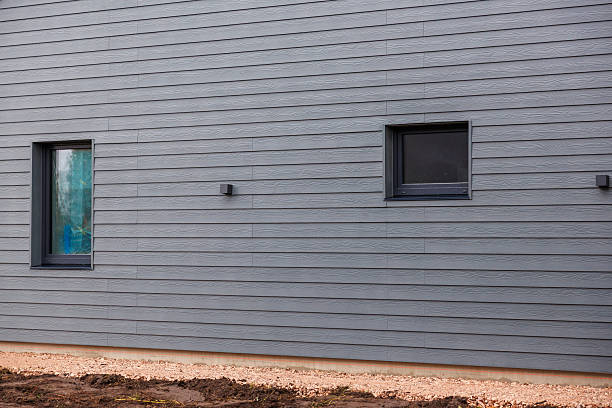
Why Fiber Cement Wins in Ohio's Climate
Fiber cement doesn’t absorb water, doesn’t expand and contract the way wood does, and doesn’t become brittle in cold temperatures the way vinyl can. That makes it exceptionally well-suited to Cincinnati’s freeze-thaw cycle. It also resists hail impact, won’t rot, and is fire-resistant — a meaningful advantage for homes close together in Cincinnati’s older neighborhoods.
The other major advantage is longevity. A properly installed fiber cement siding system is built to last for decades, and its performance in Ohio’s climate is well-documented. For homeowners who plan to own their home long-term or want to maximize resale value, the investment pays off.
The Trade-Off: Cost and Painting
Fiber cement costs more upfront than vinyl. It’s also heavier, which makes installation more labor-intensive. And unlike vinyl, it does need to be repainted periodically — though with quality exterior paint and proper prep, a paint job on fiber cement lasts far longer than it would on bare wood.
For most Cincinnati homeowners who want the best balance of weather resistance, durability, aesthetics, and long-term value, fiber cement is the top recommendation. It’s also the material EkoRoofers uses for premium siding installations on Cincinnati homes.
Wood's Strengths
Wood is a natural insulator. It’s also one of the most customizable siding options — it can be cut, shaped, and painted to match virtually any architectural style. Properly maintained cedar siding, for example, can last for generations and develops a beautiful weathered patina over time.
Wood's Significant Challenges in Cincinnati
Here’s the honest truth: wood siding is high-maintenance in Cincinnati’s climate, and it punishes neglect. The combination of humidity from the Ohio River Valley, freeze-thaw cycles, and heavy rainfall means wood siding needs to be inspected, sealed, and repainted on a regular schedule — typically every three to five years. Miss a cycle, and moisture works its way in fast.
Wood also attracts insects, especially if the finish is compromised. Termites and carpenter bees are real risks in Cincinnati, Ohio, and once they’ve found their way into wood siding, the damage can spread quickly.
For homeowners who are committed to the maintenance schedule, wood siding is a beautiful and rewarding choice. For those who want something they can largely forget about, vinyl or fiber cement is a better fit..
Ready to Upgrade Your Cincinnati Home's Siding? EkoRoofers Makes It Simple.
Choosing the right siding material is one of the most impactful decisions you can make for your Cincinnati home — for its protection, its value, and its appearance. The good news is you don’t have to figure it out alone.
EkoRoofers has protected Cincinnati, Ohio homes for over 30 years. Our siding team will inspect your current exterior, walk you through the options that make sense for your home and budget, and install the work with the craftsmanship and warranty backing you deserve. We also plant 10 trees for every roof we replace — because taking care of homes and taking care of the environment go hand in hand.
Worried about cost? Ask about our flexible financing options. Ready to get started? Contact EkoRoofers today for a free siding inspection, or get your instant quote online in just a few minutes. Call us at 513-438-3134. Your home’s exterior deserves the best — let’s make sure it gets it.
Frequently Asked Questions
Which siding material is best for Cincinnati, Ohio winters specifically?
Fiber cement siding is the strongest all-around performer in Cincinnati’s winter climate. Its cement base resists freeze-thaw cycling, moisture infiltration, and hail impact better than vinyl or wood. Vinyl is a close second for most winter conditions — its main vulnerability is extreme cold snaps. Wood is the most winter-challenged of the three and requires the most diligent seasonal maintenance to stay weather-tight.
How much does siding replacement cost in Cincinnati, Ohio?
Siding replacement costs vary based on material, home size, and whether any sheathing or water barrier repairs are needed underneath. Vinyl is typically the lowest upfront investment, fiber cement falls in the mid-to-upper range, and wood varies widely depending on species. EkoRoofers provides free, no-obligation estimates for Cincinnati homeowners so you know the real number before committing to any material.
How long does siding last in Cincinnati's climate?
With proper installation and maintenance, vinyl siding can last 20–40 years, fiber cement can last 50 years or more, and wood siding can last 20–40 years depending on upkeep. Cincinnati’s freeze-thaw cycles and humidity can shorten those lifespans if the siding is poorly installed, the wrong material is chosen for the application, or maintenance is deferred. An annual inspection — especially after harsh winters — helps catch problems early.
Can I replace just part of my siding, or does it all need to go at once?
Partial siding replacement is possible, but matching new panels to weathered existing siding can be difficult — especially with vinyl and wood, where colors fade over time. If damage is limited to one wall or section, a partial replacement may make sense. If the existing siding is past its useful life across most of the home, full replacement is typically the better investment. EkoRoofers will assess your specific situation and give you an honest recommendation.
Does new siding help with energy efficiency in a Cincinnati, Ohio home?
Yes — especially insulated vinyl siding, which adds a layer of continuous foam insulation to your home’s exterior. Fiber cement on its own doesn’t add much insulation value, but when installed over a quality house wrap and rigid foam board, the overall wall assembly performs significantly better. New siding also eliminates gaps, cracks, and compromised areas that allow air infiltration — one of the biggest sources of heating and cooling loss in older Cincinnati homes.
Is it worth paying more for fiber cement over vinyl siding?
For many Cincinnati homeowners, yes. Fiber cement’s longer lifespan, superior weather resistance, and higher resale value appeal mean the higher upfront cost often pays for itself over time — especially if you plan to stay in your home for 10 or more years. If budget is the primary constraint or you’re planning to sell within a few years, vinyl is a solid, respectable choice that will still meaningfully improve your home’s protection and curb appeal.